Harvest & Wine Season
Harvest and wine season across France's regions
Grape picking, known in France as the vendange, is the most visible harvest of the season, but it is not the only one. Apples for cider, olives in the south, and mushrooms and chestnuts in forested regions all come into season around the same weeks, each on its own regional timetable.
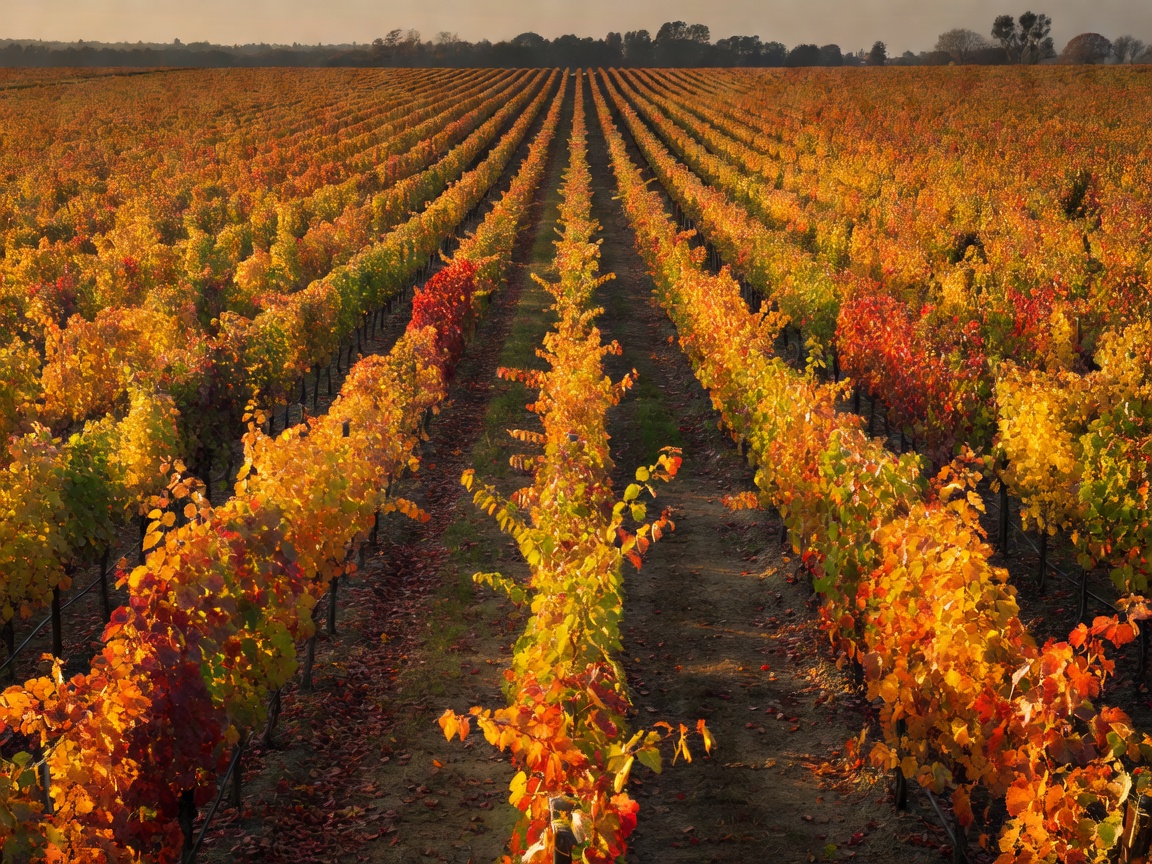
What the grape harvest involves
Picking, sorting and pressing follow a sequence that depends on grape variety and the style of wine being made. Some estates pick by hand, others by machine; some press quickly, others let grapes rest briefly first. None of this is standardised nationally — practice varies by estate and by appellation, the recognised wine-producing area a vineyard belongs to.
Why timing varies so much by region
Ripening depends on a combination of climate, soil and grape variety, so the harvest moves through the country at a different pace depending on where a vineyard sits. Warmer, more southerly regions such as Languedoc and parts of the Rhône tend to pick earlier in the season than cooler regions such as Champagne or parts of Burgundy (Bourgogne). Within a single region, different grape varieties are often picked in sequence rather than all at once, since each variety reaches its own ripeness on its own timetable.
Visiting during harvest: what to expect
A working harvest is not the same as a tourist-facing cellar tour. Some estates, particularly smaller family-run ones, are fully occupied with picking and pressing and are not set up to receive visitors during that period. Others, especially in regions with an established wine-tourism structure such as Bordeaux, Burgundy or Champagne, do open cellar doors and tasting rooms even while harvest work continues nearby. Contacting an estate ahead of a visit, rather than arriving unannounced, is the more reliable approach during this period.
Beyond grapes: other harvests worth knowing about
Normandy and Brittany see an apple harvest that feeds cider and calvados production, with orchards forming a visible part of the landscape in those regions. Olive harvesting in Provence and the wider Mediterranean south tends to happen later, closer to the end of the season. Forested regions across the country, including parts of the Dordogne and the Périgord, produce mushrooms and, in some areas, truffles, though foraged mushrooms should only ever be eaten after a proper identification check by a pharmacist or other qualified person, since misidentification carries real risk.
Choosing a region based on interest
| Region | Grape Focus | Landscape | Typical Feel |
|---|---|---|---|
| Bordeaux | Red blends | River valleys, large estates | Structured, visitor-oriented |
| Burgundy (Bourgogne) | Single-variety wines | Small parcelled vineyards | Detailed, village-based |
| Champagne | Sparkling wine base grapes | Chalky slopes near Reims and Épernay | Cellar-focused, formal |
| Loire Valley | White and red varieties | Riverside châteaux and gentle hills | Relaxed, spread over distance |
Pairing harvest with market visits
Produce from the harvest often reaches market stalls within the same region within days, so a visit timed around harvest season frequently overlaps with the strongest run of seasonal food markets.