City vs Countryside
City breaks compared with countryside stays
A city itinerary and a countryside stay draw on different strengths of the season. Neither is objectively better; the choice depends on what a traveller wants from the trip and how comfortable they are managing transport and changeable weather.
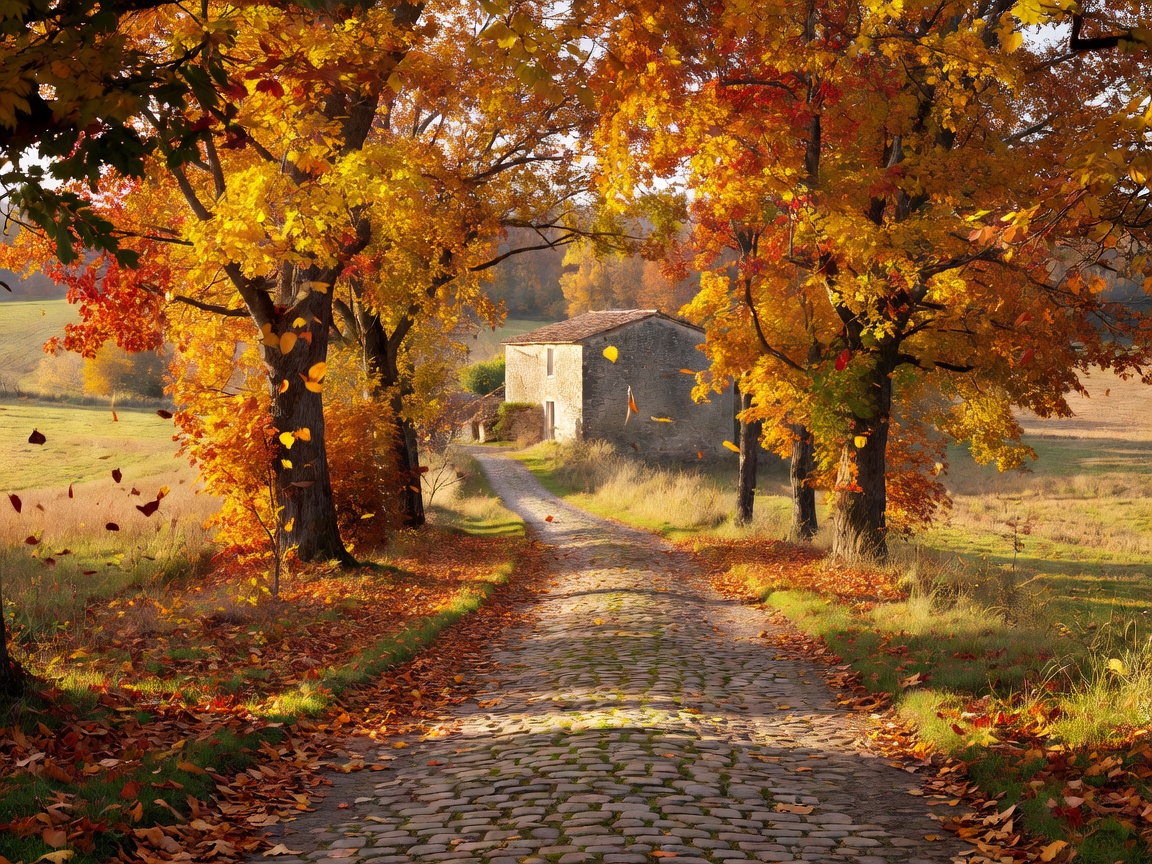
What a city break offers
Cities such as Paris, Lyon or Bordeaux offer museums, galleries and other indoor culture that make shorter daylight hours less limiting, since much of the itinerary does not depend on being outdoors. Public transport networks make a car unnecessary, and the density of restaurants, markets and shops means a full day can be spent within a small area.
What a countryside stay offers
Regions such as the Dordogne, the Loire Valley or the Provençal hinterland offer visible foliage change, walking routes through vineyards and forests, and closer proximity to harvest activity described elsewhere in this guide. Roads are generally quieter than during the summer holiday period, and accommodation in smaller towns tends to have wider availability.
Getting around: a key practical difference
A city break generally works well without a car, relying on walking and public transport. A countryside stay typically requires a car, since public transport between smaller towns and rural sites is often limited. This single factor affects budgeting, flexibility and how tiring a day of sightseeing feels, and is worth deciding early when planning either type of trip.
Weather considerations differ between the two
Cities retain a small amount of extra warmth compared with the surrounding countryside, an effect sometimes called the urban heat island, meaning city centres can feel marginally milder than rural areas at the same time of day. Countryside settings, and particularly higher terrain, cool faster and are more exposed to wind, which the weather and packing guide covers in more detail.
Comparing the two options
| Factor | City Break | Countryside Stay |
|---|---|---|
| Transport | Public transport, walking | Car generally needed |
| Weather exposure | Partly shielded, indoor options | Fuller outdoor exposure |
| Daylight dependence | Low | Higher, for walks and views |
| Pace | Dense, scheduled | Slower, spread over distance |
Which to choose based on priorities
A traveller drawn to culture, food variety and minimal reliance on driving is generally better served by a city break. A traveller drawn to foliage, walking and a slower pace, and comfortable arranging a car, is generally better served by a countryside stay. Some trips combine both by splitting time between a city base and a rural stretch, which spreads the trade-offs of each across the wider trip rather than committing fully to one.
Next step
Whichever setting is chosen, the weather and packing guide sets out how to prepare for the different exposure levels described above.