Seasonal travel guide

Why visit France once the summer crowds leave

Temperatures ease, daylight shortens and the country's rhythm shifts from peak-season tourism back toward ordinary working life. That shift changes what a visit feels like: quieter streets, working vineyards, market stalls stocked for the colder months, and a wider spread of available accommodation.

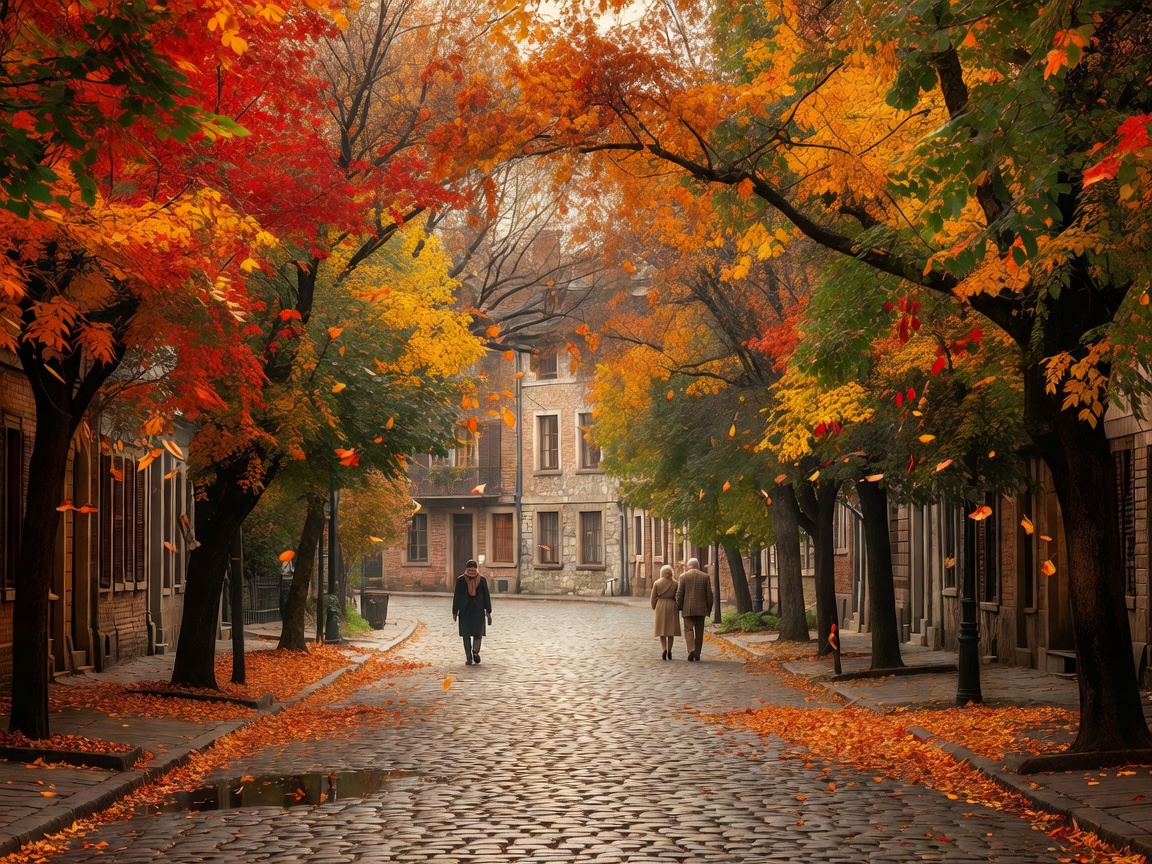
Trees turning golden along a river in a French city, with stone bridges in the background
Pace
Slower than the peak summer months
Focus
Harvest, markets, indoor culture
Region
Conditions vary from coast to mountain
Level
Suits travellers comfortable with changeable weather

Five things worth planning around

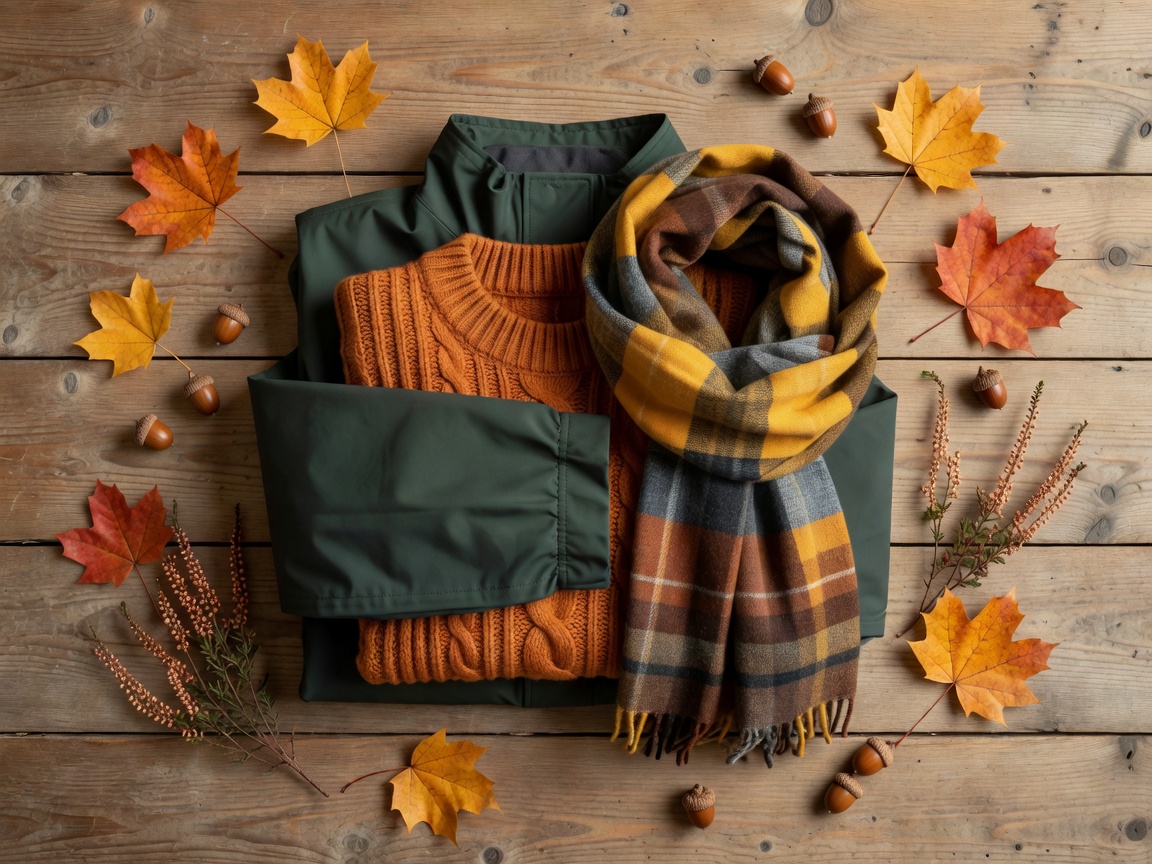
Weather and what to pack

Conditions differ sharply between the Atlantic coast, the Mediterranean south and the mountain regions. This guide sets out how the season changes by region and how to build a layered packing list without over- or under-preparing.

Read the weather guide

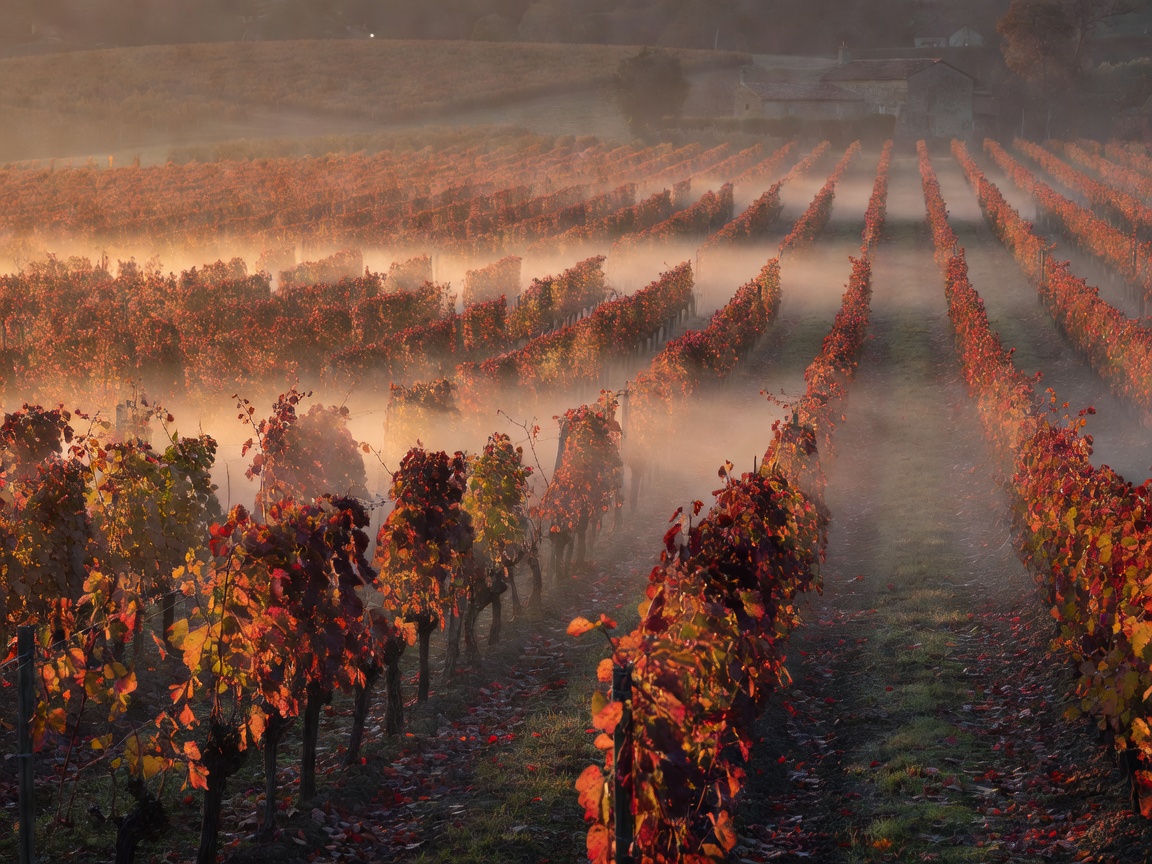
Harvest and wine season

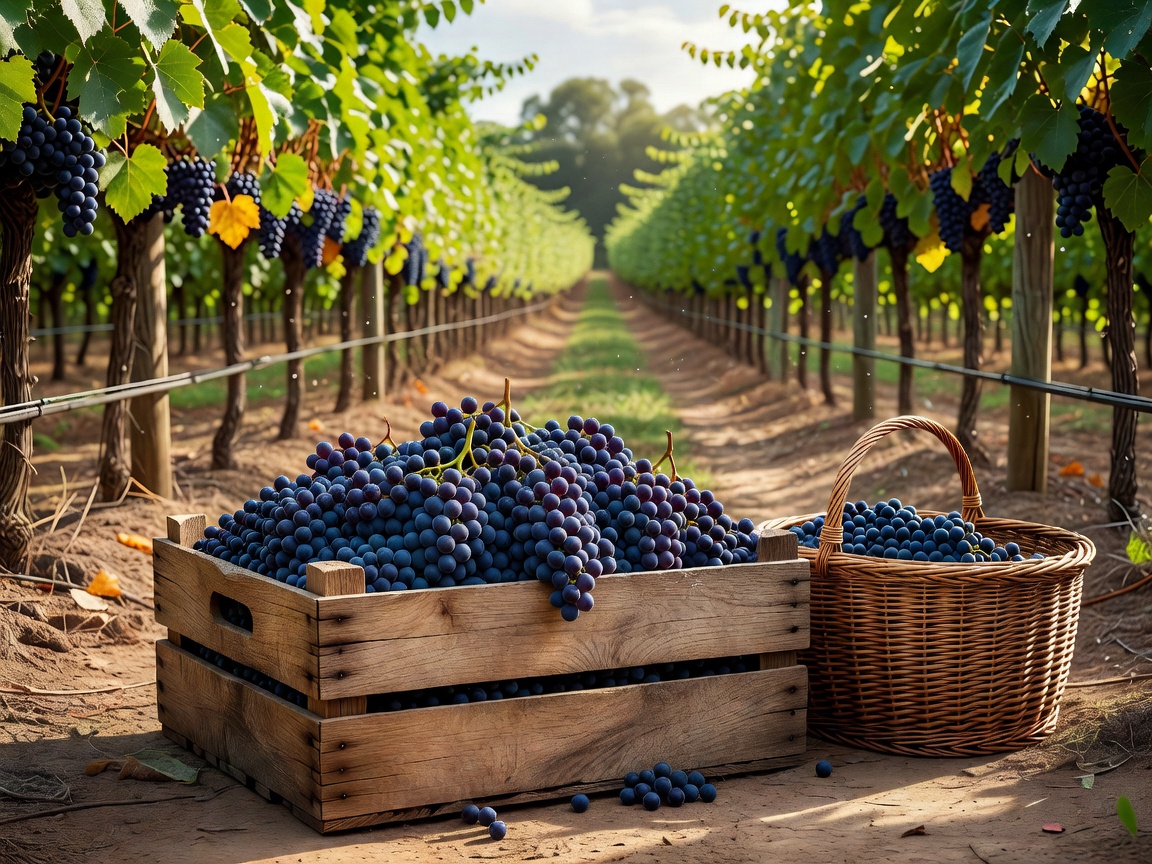
Grape picking, cider pressing and the last outdoor markets all happen in these weeks. Timing and access vary by region and grape variety, and not every estate welcomes visitors during the working harvest.

Read the harvest guide

Food markets change stock

Stalls move from summer produce to squash, mushrooms, chestnuts and game. This guide covers what to look for, market formats worth knowing, and general etiquette for buying at a French market.

Read the market guide

Fewer crowds at popular sites

Visitor patterns ease once school terms resume across Europe. Outdoor and open-air sites tend to benefit most, while some seasonal attractions reduce their opening hours or close.

Read the crowds guide

City breaks compared with the countryside

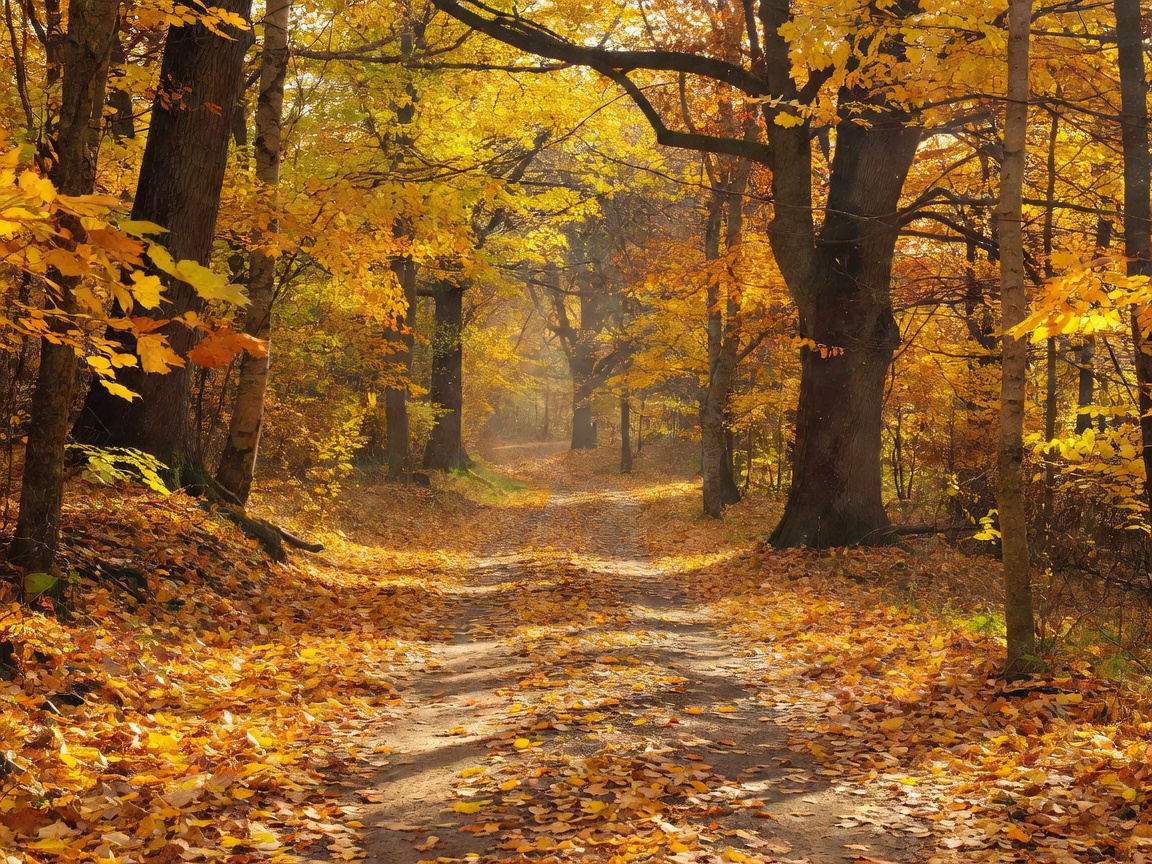
A city itinerary leans on museums and indoor culture, while a countryside stay leans on foliage, walking routes and harvest activity. This guide sets out the practical trade-offs between the two.

Read the comparison

How to use this guide

Each section below covers one factor that changes once the summer season ends, rather than a single itinerary. Read them in whatever order matches your priorities: start with weather and packing if the trip is imminent, or with the city-versus-countryside comparison if the destination itself is still undecided.

  • Cross-reference the weather guide with whichever region the other guides point you toward.
  • Treat the harvest and market guides as complementary — produce on a market stall often traces back to the same harvest described in the wine guide.
  • Use the fewer-crowds guide to sequence visits to busier sites earlier in a trip, before local school breaks add pockets of demand.