How the season changes across the country
The single biggest factor in how autumn feels in France is geography rather than the calendar date. The north and west sit under Atlantic influence, which brings cooler air, more frequent rain and noticeable wind, particularly along the Brittany and Normandy coastlines. Central regions such as the Loire Valley and Burgundy sit in a transitional band: mornings turn crisp and misty over rivers while afternoons can still feel mild. The eastern regions, including Alsace and the lower slopes of the Vosges and the Alps, cool more sharply and see frost appear earlier in the season than the rest of the country. The Mediterranean south, from Provence along the coast, holds onto warmth for longer and stays comparatively dry, though evenings still cool once the sun drops.
None of this means one region is a safer bet than another — it means the right clothing and the right expectations differ by destination. A visit that moves between regions, for example from Paris down to Provence, will cross more than one of these patterns in a single trip.
Early autumn compared with late autumn
Early in the season, many regions still carry some residual summer warmth into the afternoon, with cooler mornings and evenings marking the main shift from late summer. As the season progresses, mornings turn reliably cold in most of the country, fog becomes more common in river valleys and low-lying areas, and deciduous trees in the north and centre lose their leaves while southern regions may still be holding colour. Wind also tends to pick up later in the season, particularly near the coast, which affects how cold a day feels even when the air temperature itself has not dropped much.
What to pack
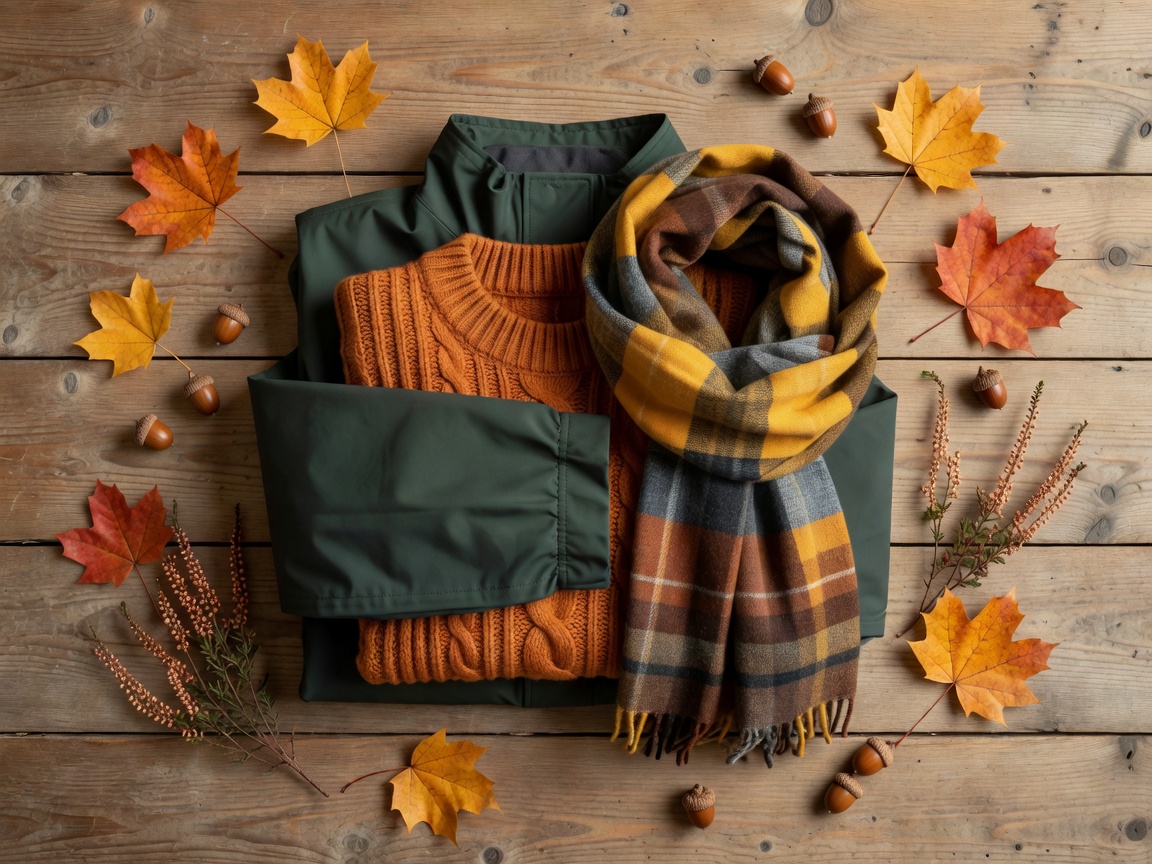
A layering system works better than a single heavy coat, because daily temperature swings are often wider in autumn than in either summer or winter. A base layer that manages moisture, a mid layer for insulation such as a jumper or fleece, and an outer layer that resists wind and rain cover most conditions across regions. Footwear matters more than is often assumed: comfortable, already broken-in shoes with some water resistance handle both cobbled city streets after rain and uneven paths in rural or forested areas. A compact umbrella or a coat with a hood, a scarf for wind protection, and gloves for later in the season in the north or the mountains round out a practical kit.
| Region | Typical conditions | Packing priority |
|---|---|---|
| Northern coast & Brittany | Cool, breezy, rain likely | Waterproof outer layer, wind protection |
| Paris & Île-de-France | Mild days, damp mornings | Layering pieces, compact umbrella |
| Loire Valley & Burgundy | Moderate, crisp mornings | Mid-layer jumper, sturdy walking shoes |
| Alsace & eastern mountains | Cold mornings, clear light | Insulating layer, gloves later in the season |
| Provence & the south | Mild, drier | Light layers, a jacket for evenings |
Daylight and timing
Daylight hours shorten steadily through the season, which changes the practical shape of a day's sightseeing. Outdoor activities and long walks are generally better scheduled earlier in the day, and evening plans need to account for darkness setting in sooner than a summer itinerary would assume. This also affects photography: the lower, more angled light that arrives earlier in the afternoon is a feature many visitors specifically plan around when choosing when to be outdoors.
None of the patterns above should be read as a forecast. Conditions vary from one year to the next, so checking a weather service closer to the travel date remains the most reliable way to fine-tune a packing list built around these general regional patterns.