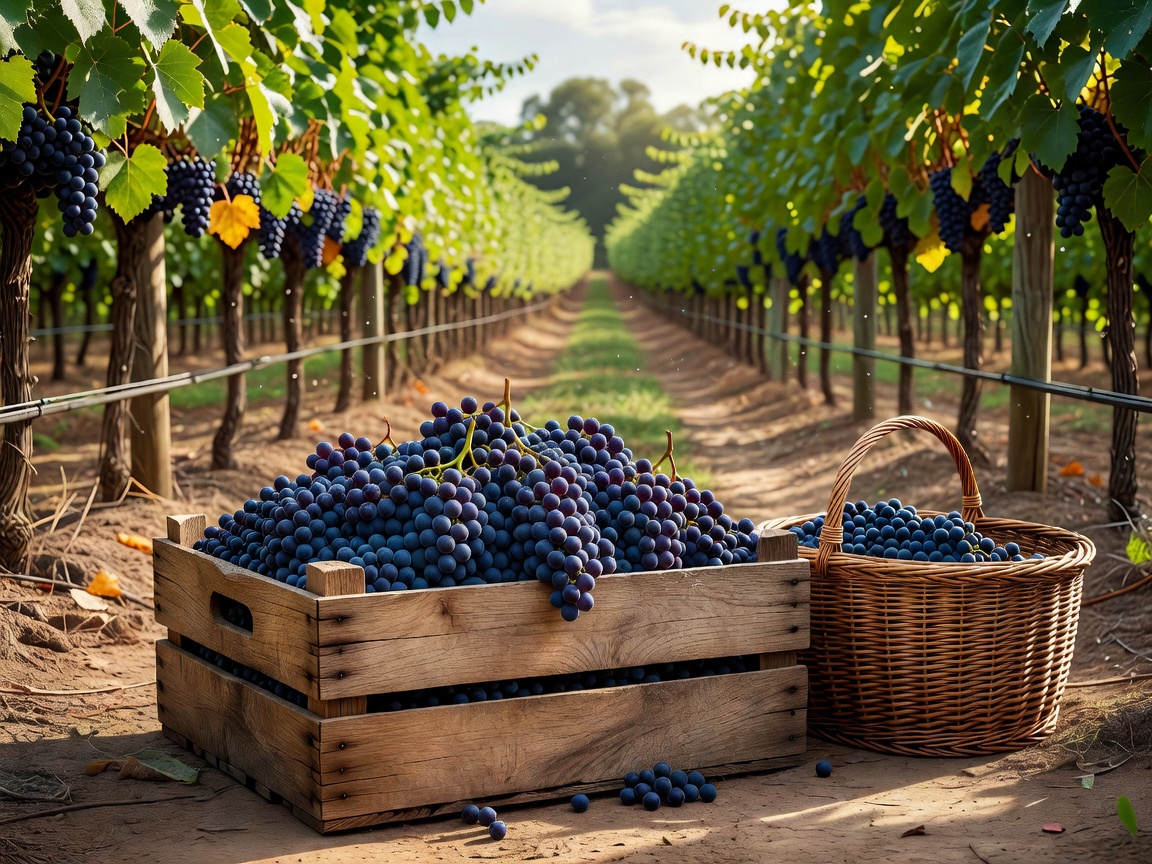
The grape harvest
The vendange is the period when grapes are picked for winemaking, and its timing depends on grape variety, regional climate and how the growing season has gone, which is why it shifts somewhat from year to year rather than falling on a fixed date. Broadly, harvest activity runs through the early and middle part of autumn, with warmer southern regions typically starting earlier than cooler northern ones. In many wine areas, harvest is a visibly active period: pickers moving through rows, transport of grapes to presses, and a general increase in activity around villages that are otherwise quiet for much of the year.
Some estates and cooperatives open parts of the harvest process to visitors, though access, format and availability vary by producer and are not something a general guide can promise in advance. Where a visit to a working vineyard during harvest is of interest, contacting the estate directly ahead of a trip is the most reliable approach.
Regional wine areas
France's wine regions differ in more than the grapes they grow — the landscape, the pace of harvest and what a visitor typically does there also vary. Bordeaux, in the south-west, is built around large estates and a well-established wine trade, with harvest activity spread across a wide area. Burgundy, further east, is known for a patchwork of smaller plots, which makes harvest a more localised, village-by-village affair. Champagne, in the north-east, harvests earlier than most regions because of its cooler climate and the specific requirements of sparkling wine production. The Loire Valley, running along its river, combines vineyards with a dense concentration of historic châteaux, making it a region where wine and other sightseeing sit close together.
| Region | Focus | Visitor experience |
|---|---|---|
| Bordeaux | Large-scale estates | Established wine tourism infrastructure |
| Burgundy | Smaller, village-based plots | Local, small-producer visits |
| Champagne | Sparkling wine production | Earlier harvest, cellar visits |
| Loire Valley | Vineyards alongside historic estates | Combines wine with château sightseeing |
Seasonal food beyond wine
Autumn also brings a shift in food markets and menus more generally. Wild mushrooms, including varieties such as ceps, become more widely available and appear on menus in many regions. Game dishes are more commonly offered as the season progresses, and root vegetables and squashes take a larger place in seasonal cooking. Local markets, which run in most towns on a regular schedule, reflect this shift directly, making a visit to a market one of the more direct ways to see the season's produce rather than relying on any single restaurant.
Planning around harvest events
Because harvest timing depends on the growing season, exact dates cannot be fixed in advance and should not be treated as guaranteed by any guide, including this one. Regional tourism offices and individual wine estates are generally the most current source for harvest-related visits, tastings or events tied to a specific year. Building some flexibility into a trip, rather than planning around one narrow date, reduces the risk of arriving before or after the period of most visible activity.